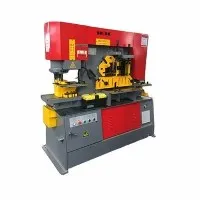
Hey there! I'm an operator at a sheet metal roll forming supplier, and I'm here to share what it takes to be an operator of a sheet metal roll forming machine. It's a job that combines technical know - how, a bit of hands - on skill, and a whole lot of attention to detail.
1. Technical Knowledge
First off, you gotta have a basic understanding of sheet metal. You need to know about different types of metals, like steel, aluminum, and copper. Each metal has its own unique properties. For instance, steel is strong and durable but can be heavy, while aluminum is lightweight and resistant to corrosion. Understanding these properties helps you choose the right metal for the job and also know how the roll - forming machine will interact with it.


You should also be familiar with the roll - forming process itself. Roll forming is all about passing a long strip of sheet metal through a series of rollers. These rollers gradually shape the metal into the desired profile. It's not just about pushing the metal through; you need to know how the rollers are set up and how they affect the final shape of the product.
For example, when using a Corrugated Metal Roof Sheet Roll Forming Machine, you need to understand how to adjust the rollers to create the correct corrugation pattern. The machine has specific settings for different corrugation sizes and depths, and it's up to you to make sure those settings are spot - on.
Another important aspect of technical knowledge is electrical and mechanical systems. Most modern sheet metal roll - forming machines are automated to some degree. You need to know how to read electrical schematics to troubleshoot any electrical issues that might come up. And on the mechanical side, you should be able to identify parts like bearings, gears, and belts. If a belt starts slipping or a gear is making a funny noise, you need to know what to do to fix it.
2. Safety Awareness
Safety is no joke in this line of work. You're dealing with heavy machinery and sharp metal, so you've got to be on your toes at all times. First of all, you need to wear the right safety gear. This includes safety glasses to protect your eyes from flying metal chips, ear protection because the machines can be really loud, and steel - toed boots to prevent any foot injuries from falling objects.
You also need to be aware of the machine's safety features. Most roll - forming machines come with emergency stop buttons, guards, and sensors. You should know where these are and how to use them. For example, if you notice something going wrong with the machine, like a piece of metal getting jammed, you need to hit that emergency stop button right away.
Before you start operating the machine, you should always do a safety check. Make sure all the guards are in place, the electrical connections are secure, and there are no loose parts. And never, ever remove a guard or bypass a safety feature just to get the job done faster. It's not worth the risk.
3. Problem - Solving Skills
Things don't always go smoothly when operating a sheet metal roll - forming machine. You're bound to run into problems like jams, uneven forming, or incorrect dimensions. That's where your problem - solving skills come in.
When there's a jam, you need to figure out what's causing it. It could be a misaligned sheet of metal, a damaged roller, or something as simple as debris in the machine. You've got to have a systematic approach to troubleshooting. First, stop the machine and make sure it's safe to approach. Then, start checking the obvious things, like the path of the metal sheet. If that doesn't solve the problem, you'll need to dig deeper and examine the rollers and other components.
If the formed product has uneven dimensions, you need to look at the roller settings. Maybe one of the rollers is not calibrated correctly, or there could be wear and tear on the rollers. You'll need to make adjustments to get the dimensions right. This might involve using measuring tools like calipers or micrometers to check the thickness and width of the formed metal.
4. Quality Control
As an operator, you're responsible for ensuring the quality of the final product. This means inspecting the formed sheet metal regularly. You should look for any signs of defects, such as cracks, dents, or uneven surfaces. If you find a defect, you need to figure out what caused it and take steps to prevent it from happening again.
For example, if you're using a Metal Roof Panel Machine to make roof panels, the panels need to be perfectly aligned and have the right shape. Any imperfections could affect the installation and performance of the roof. You'll need to use inspection tools like gauges and templates to check the quality of the panels.
You also need to keep records of the quality inspections. This helps in tracking trends and identifying any potential issues with the machine or the process. If you notice a pattern of defects, it could be a sign that the machine needs maintenance or that the process needs to be adjusted.
5. Physical Fitness and Dexterity
Operating a sheet metal roll - forming machine is physically demanding. You'll be standing for long periods, lifting heavy sheets of metal, and making quick adjustments to the machine. So, you need to be in good physical shape.
You also need to have good dexterity. You'll be working with small parts and making precise adjustments to the machine. For example, when setting up the rollers, you need to be able to turn small knobs and make fine - tuned adjustments. If you have poor dexterity, it can be difficult to get the machine set up correctly.
6. Training and Certification
Most employers require operators to have some form of training. This can be in - house training provided by the company or a formal training program at a vocational school or technical college. The training usually covers the technical aspects of the machine, safety procedures, and quality control.
In addition to training, some industries may require certification. Certifications show that you have the skills and knowledge to operate the machine safely and effectively. They can also increase your chances of getting hired and getting a higher salary.
7. Adaptability
The sheet metal industry is always evolving. New materials are being developed, and new roll - forming technologies are emerging. As an operator, you need to be adaptable. You should be willing to learn new things and adjust your skills as needed.
For example, if your company starts using a new type of Roof Sheet Roll Forming Machine with advanced features, you'll need to learn how to operate it. This might involve taking additional training courses or working with a more experienced operator to get up to speed.
Conclusion
So, there you have it! These are the main requirements for being an operator of a sheet metal roll - forming machine. It's a challenging but rewarding job. If you're interested in getting into this field or if you're a business looking for high - quality roll - formed sheet metal products, we'd love to talk to you! Whether you need a custom - designed roll - forming solution or just have some questions about our products and services, feel free to reach out and start a conversation. We're here to help you make the best of your sheet metal projects.
References
- Industry training manuals on sheet metal roll forming
- Safety guidelines provided by machine manufacturers
- Technical articles on sheet metal properties and roll - forming processes