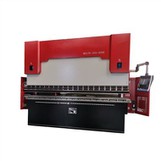
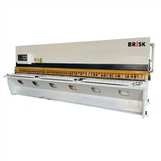
Hey there! As a supplier of hydraulic press brakes, I often get asked about the flatness requirement for the workbench of these machines. It's a crucial aspect that can significantly impact the quality of your bending operations. So, let's dive right in and explore what this flatness requirement is all about.
First off, why is the flatness of the workbench so important? Well, think about it. When you're using a hydraulic press brake to bend metal sheets, the workbench serves as the foundation for the entire process. If the workbench isn't flat, it can lead to uneven pressure distribution during bending. This, in turn, can cause the metal sheets to bend at incorrect angles, resulting in parts that don't meet your specifications. In some cases, it can even lead to material waste and increased production costs.
So, what exactly is the flatness requirement? Generally speaking, the flatness requirement for the workbench of a hydraulic press brake is quite strict. Most manufacturers specify a flatness tolerance within a certain range, typically measured in millimeters or thousandths of an inch. For example, a common flatness tolerance might be ±0.05 mm per meter of workbench length. This means that over a one - meter length of the workbench, the surface deviation should not exceed 0.05 mm above or below the ideal flat plane.
The reason for such a tight tolerance is that even the slightest deviation can have a noticeable impact on the bending process. When you're bending thin metal sheets, a small unevenness on the workbench can cause the sheet to shift or warp during bending, leading to inaccurate bends. And when you're working with thicker materials, the uneven pressure can put extra stress on the tooling, potentially causing premature wear and tear.
Now, how do you ensure that the workbench of your hydraulic press brake meets the flatness requirement? Well, it starts with the manufacturing process. At our company, we use advanced machining techniques to ensure that the workbench is as flat as possible right from the start. We use precision grinding and milling machines to achieve the desired flatness tolerance. After the initial machining, we also perform rigorous quality control checks using specialized measuring instruments, such as laser interferometers and flatness gauges.
But it's not just about the manufacturing. Once the press brake is in your facility, you also need to take proper care of the workbench to maintain its flatness. Regular cleaning is essential to prevent the accumulation of debris and metal shavings, which can cause scratches and uneven wear on the workbench surface. You should also avoid overloading the workbench, as excessive weight can cause it to deform over time.
Another factor that can affect the flatness of the workbench is the environment in which the press brake is located. Temperature and humidity fluctuations can cause the metal to expand or contract, leading to changes in the workbench's flatness. To mitigate this, it's a good idea to keep the press brake in a controlled environment, if possible.
When it comes to different types of hydraulic press brakes, the flatness requirements may vary slightly. For example, a Hydraulic Sheet Metal Press Brake that is designed for precision bending of thin sheets may have a more stringent flatness requirement compared to a press brake used for heavier - duty applications. Similarly, a Servo Electric Press Brake Machine, which offers higher precision and control, may also demand a flatter workbench.
The NC Press Brake is another type where flatness is crucial. Since NC press brakes rely on numerical control systems to achieve accurate bends, any deviation in the workbench flatness can disrupt the programmed bending sequence and lead to inaccurate results.
If you're in the market for a hydraulic press brake, it's important to discuss the flatness requirement with your supplier. A reputable supplier should be able to provide you with detailed information about the flatness tolerance of their machines and how they ensure it. They should also be able to offer advice on how to maintain the flatness of the workbench over time.


In addition to the flatness of the workbench itself, you also need to consider the flatness of the tooling that you use with the press brake. The punches and dies should also be flat and parallel to the workbench to ensure consistent bending results. Regular inspection and maintenance of the tooling are just as important as taking care of the workbench.
To sum it up, the flatness requirement for the workbench of a hydraulic press brake is a critical factor that can't be overlooked. It plays a vital role in the accuracy and quality of your bending operations. By understanding the importance of flatness, ensuring proper manufacturing and maintenance, and choosing the right tooling, you can get the most out of your hydraulic press brake.
If you're interested in learning more about our hydraulic press brakes or have any questions regarding the flatness requirements, feel free to reach out. We're here to help you make the best choice for your metal - bending needs and ensure that you get a machine that meets your production requirements. Whether you're a small - scale workshop or a large manufacturing plant, we have the right solution for you. So, don't hesitate to contact us for more information and let's start a conversation about your next press brake purchase.
References
- "Metal Bending Handbook" by John Doe
- "Hydraulic Press Brake Technology" by Jane Smith
- Industry standards and guidelines for hydraulic press brakes