

What is the maximum cutting thickness of a typical CNC shearing machine?
As a reputable supplier of CNC shearing machines, I often encounter inquiries from customers about the maximum cutting thickness of these machines. Understanding this crucial parameter is essential for businesses involved in metal fabrication, as it directly impacts the range of materials and projects that can be handled efficiently. In this blog post, I will delve into the factors that influence the maximum cutting thickness of a typical CNC shearing machine, provide real - world examples, and offer guidance on selecting the right machine for your specific needs.
Factors Influencing the Maximum Cutting Thickness
-
Machine Design and Construction
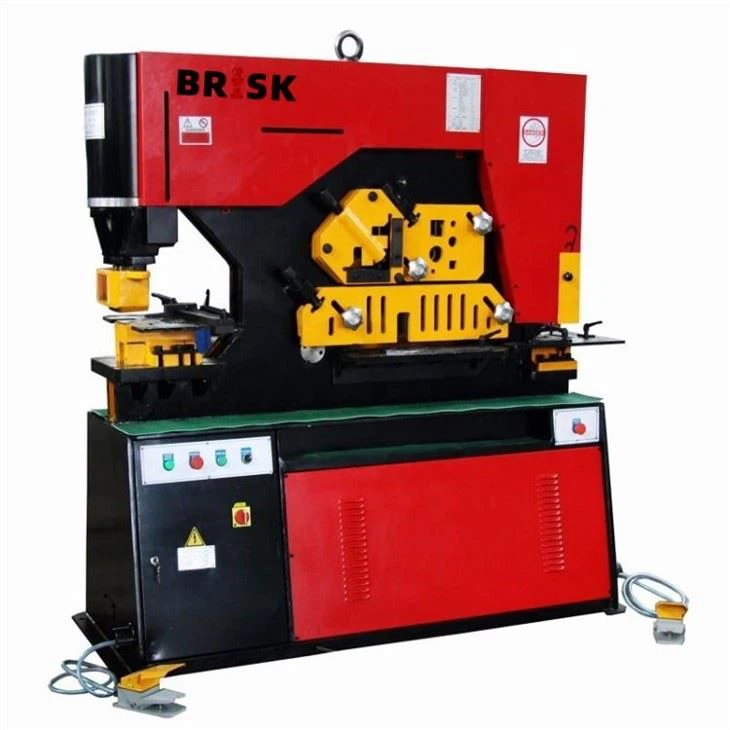
The overall design and construction of a CNC shearing machine play a significant role in determining its cutting capacity. Machines with robust frames and high - quality components are generally capable of handling thicker materials. For instance, a well - built industrial CNC hydraulic shearing machine Industrial CNC Hydraulic Shearing Machine is engineered to withstand the high forces generated during the shearing process. The frame's rigidity ensures that the cutting blades maintain proper alignment, which is crucial for achieving clean cuts on thick materials. A machine with a flimsy frame may deform under pressure, leading to inaccurate cuts and reduced cutting capacity. -
Blade Quality and Geometry
The quality and geometry of the cutting blades are also key factors. High - quality blades made from premium materials can withstand the wear and tear associated with cutting thick metals. Blades with the right geometry, such as the correct rake angle and clearance angle, can optimize the shearing process. For example, a blade with a proper rake angle can reduce the cutting force required, allowing the machine to cut through thicker materials more easily. Additionally, sharp blades are essential for clean and efficient cuts. Dull blades may cause the material to bend or tear rather than shear, which can limit the maximum cutting thickness.
-
Hydraulic System Power
In hydraulic CNC shearing machines, the power of the hydraulic system is directly related to the cutting capacity. A more powerful hydraulic system can generate higher pressures, which are necessary for cutting thick materials. The hydraulic cylinders in the machine are responsible for driving the cutting blade down onto the material. If the hydraulic system lacks sufficient power, it may not be able to overcome the resistance of thick metals, resulting in incomplete cuts or the inability to cut at all. For example, a machine with a larger hydraulic pump and well - designed cylinders can deliver the necessary force to cut through thick steel plates. -
Control System and Automation
Modern CNC shearing machines are equipped with advanced control systems that can optimize the shearing process. These systems can adjust the cutting speed, blade clearance, and other parameters based on the material's thickness and properties. For example, when cutting a thick material, the control system can slow down the cutting speed to ensure that the blades have enough time to penetrate the material fully. Automation features, such as automatic blade gap adjustment, can also improve the cutting quality and increase the maximum cutting thickness. By precisely adjusting the blade gap according to the material thickness, the machine can achieve better cutting performance.
Typical Maximum Cutting Thickness Ranges
The maximum cutting thickness of a typical CNC shearing machine can vary widely depending on the type and size of the machine.
-
Small - Scale CNC Shearing Machines
Small - scale CNC shearing machines, often used in workshops or for light - duty metal fabrication, typically have a maximum cutting thickness of around 1 - 3 mm for mild steel. These machines are compact and relatively affordable, making them suitable for small - scale projects such as sheet metal fabrication for electronics enclosures or small - part manufacturing. They are usually designed for cutting thinner materials with high precision. -
Medium - Sized CNC Shearing Machines
Medium - sized machines are more commonly used in medium - scale metalworking shops. They can typically cut mild steel up to 6 - 12 mm thick. These machines offer a good balance between cutting capacity and cost. They are suitable for a wide range of applications, including the production of structural components, automotive parts, and general metal fabrication. A hydraulic metal guillotine cutter Hydraulic Metal Guillotine Cutter in this category can handle a decent amount of work volume while maintaining good cutting quality. -
Large - Scale Industrial CNC Shearing Machines
Large - scale industrial CNC shearing machines are designed for heavy - duty applications in industries such as shipbuilding, construction, and large - scale metal processing. These machines can cut mild steel up to 20 mm or more in thickness. They are built with heavy - duty frames, powerful hydraulic systems, and high - quality blades to handle the high forces required for cutting thick materials. For example, in the shipbuilding industry, large - scale CNC shearing machines are used to cut thick steel plates for the construction of ship hulls.
Selecting the Right Machine for Your Needs
When choosing a CNC shearing machine based on the maximum cutting thickness, it is important to consider your specific requirements.
-
Material Type
Different metals have different shear strengths. For example, stainless steel is generally more difficult to cut than mild steel due to its higher strength and hardness. Therefore, if you plan to cut stainless steel or other high - strength alloys, you may need a machine with a higher cutting capacity compared to one used for cutting mild steel. Consider the range of materials you will be working with and choose a machine that can handle the thickest material in your inventory. -
Production Volume
Your production volume also plays a role in machine selection. If you have a high - volume production environment, you may need a machine that can cut thick materials quickly and efficiently. In this case, a machine with a more powerful hydraulic system and a faster cutting speed may be necessary. On the other hand, if you have a low - volume production, a smaller and more affordable machine with a lower cutting capacity may be sufficient. -
Budget Constraints
Budget is always a consideration. Larger machines with higher cutting capacities are generally more expensive. You need to balance your need for cutting thick materials with your budget. It may be possible to find a machine that meets your cutting requirements at a reasonable price by comparing different models and suppliers. For example, you can look for machines that offer a good combination of features and performance without over - spending.
Real - World Examples
Let's take a look at some real - world scenarios to illustrate the importance of maximum cutting thickness.
-
Automotive Manufacturing
In the automotive manufacturing industry, CNC shearing machines are used to cut various metal components. For example, when producing car body panels, the machine needs to be able to cut through mild steel sheets of different thicknesses. A machine with a maximum cutting thickness of 3 - 6 mm may be sufficient for most of the body panel components. However, for structural parts such as chassis components, a machine with a higher cutting capacity, perhaps up to 10 - 12 mm, may be required. -
Construction Industry
In the construction industry, CNC shearing machines are used to cut steel plates for building structures. For small - scale construction projects, a machine with a maximum cutting thickness of 6 - 10 mm may be used to cut steel bars and small plates. However, for large - scale commercial buildings or bridges, machines capable of cutting through 15 - 20 mm thick steel plates are often necessary.
Conclusion
In conclusion, the maximum cutting thickness of a typical CNC shearing machine is influenced by several factors, including machine design, blade quality, hydraulic system power, and control systems. By understanding these factors, you can make an informed decision when selecting a machine for your metal fabrication needs. Whether you are a small - scale workshop or a large - scale industrial manufacturer, choosing the right machine with the appropriate cutting capacity is crucial for achieving high - quality cuts and efficient production.
If you are interested in learning more about our range of CNC shearing machines or have specific requirements regarding the maximum cutting thickness, please feel free to contact us for a detailed consultation. We are committed to providing you with the best solutions for your metal fabrication needs.
References
- "Metalworking Handbook" - A comprehensive guide to metal fabrication processes, including shearing.
- "CNC Machining Technology" - Textbook covering the principles and applications of CNC machines, including shearing machines.
- Industry reports on the metal fabrication equipment market, which provide insights into the capabilities of different CNC shearing machines.


