As a reputable supplier of metal shear machines, I often encounter inquiries from customers regarding the machine's capabilities, particularly about whether it can cut non-ferrous metals. This blog post aims to delve into this topic, providing in-depth insights and scientific explanations.
Understanding Non-Ferrous Metals
Non-ferrous metals are metals that do not contain iron as a significant element. This group includes metals such as aluminum, copper, brass, and titanium, each with distinct properties that set them apart from ferrous metals. Aluminum, for example, is lightweight, corrosion-resistant, and has excellent thermal and electrical conductivity. Copper is highly malleable, ductile, and also a great conductor of electricity. Brass, an alloy of copper and zinc, combines the strength of copper with the corrosion resistance and aesthetic appeal of zinc. Titanium, on the other hand, is known for its high strength-to-weight ratio and exceptional corrosion resistance.
The Working Principle of Metal Shear Machines
Before we discuss whether metal shear machines can cut non-ferrous metals, it's essential to understand how these machines work. Metal shear machines operate on the principle of applying a shearing force to a metal workpiece. This force is typically generated hydraulically or mechanically. In a hydraulic shear machine, a hydraulic cylinder exerts a powerful force on a blade, which then cuts through the metal. Mechanical shear machines, on the other hand, use a mechanical linkage to transfer the force from a motor to the blade.
The cutting process involves two main blades: a fixed blade and a moving blade. The metal workpiece is placed between these two blades, and as the moving blade descends, it applies a shearing force that separates the metal along a specific line. The design of the blades and the amount of force applied determine the quality and precision of the cut.
Can Metal Shear Machines Cut Non-Ferrous Metals?
The short answer is yes, metal shear machines can cut non-ferrous metals. However, several factors need to be considered to ensure a successful cutting process.
Material Properties
As mentioned earlier, non-ferrous metals have unique properties that can affect the cutting process. For instance, aluminum is relatively soft compared to ferrous metals, which means it can be cut more easily. However, its softness also makes it prone to deformation during the cutting process. To prevent this, the cutting speed and pressure need to be carefully adjusted.
Copper and brass are also relatively soft and malleable, but they have higher ductility than aluminum. This means that they can be stretched more before breaking, which can pose challenges during the cutting process. Special attention needs to be paid to the blade design and the cutting parameters to ensure a clean and precise cut.
Titanium, on the other hand, is a hard and strong metal. Cutting titanium requires a metal shear machine with sufficient power and a blade made of high-quality materials. The cutting speed and feed rate need to be carefully controlled to avoid overheating the blade and damaging the workpiece.
Machine Capabilities
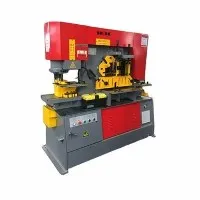
Not all metal shear machines are created equal. Some machines are specifically designed for cutting ferrous metals, while others are more versatile and can handle a wider range of materials, including non-ferrous metals. When choosing a metal shear machine for cutting non-ferrous metals, it's important to consider the machine's cutting capacity, power, and blade quality.
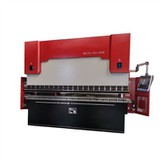
For example, our Automatic Hydraulic Swing Beam Shearing Machine is a highly versatile machine that can cut both ferrous and non-ferrous metals. It features a powerful hydraulic system that provides a consistent and precise cutting force, ensuring clean and accurate cuts. The swing beam design allows for easy access to the cutting area, making it suitable for a variety of cutting applications.
Our Hydraulic Guillotine Sheet Shearing Machine is another excellent option for cutting non-ferrous metals. It uses a guillotine-style blade that provides a straight and clean cut, making it ideal for cutting sheet metal. The machine is equipped with a hydraulic system that allows for easy adjustment of the cutting force and speed, ensuring optimal performance for different materials.
If you're looking for a compact and portable solution, our Benchtop Metal Shear Machine is a great choice. It's designed for small-scale cutting operations and can handle a variety of non-ferrous metals, including aluminum, copper, and brass. The machine is easy to operate and requires minimal maintenance, making it a cost-effective option for small businesses and hobbyists.
Tips for Cutting Non-Ferrous Metals
To ensure a successful cutting process when working with non-ferrous metals, here are some tips to keep in mind:


- Choose the Right Blade: The blade is one of the most important components of a metal shear machine. When cutting non-ferrous metals, it's important to choose a blade that is specifically designed for the material you're working with. For example, a blade with a sharp edge and a high tooth count is ideal for cutting soft metals like aluminum, while a blade with a tougher edge and a lower tooth count is better for cutting harder metals like titanium.
- Adjust the Cutting Parameters: The cutting speed, pressure, and feed rate need to be adjusted according to the material you're cutting. For softer metals, a higher cutting speed and a lower pressure may be sufficient, while harder metals may require a lower cutting speed and a higher pressure. It's important to refer to the machine's manual or consult with a professional to determine the optimal cutting parameters for your specific application.
- Use Lubrication: Lubrication can help reduce friction and heat during the cutting process, which can improve the quality of the cut and extend the life of the blade. When cutting non-ferrous metals, it's recommended to use a lubricant that is specifically designed for the material you're working with. For example, a water-soluble lubricant is suitable for cutting aluminum, while a petroleum-based lubricant is better for cutting copper and brass.
- Inspect the Workpiece: Before cutting, it's important to inspect the workpiece for any defects or irregularities. Any cracks, burrs, or other imperfections can affect the quality of the cut and may cause damage to the blade. If necessary, the workpiece should be cleaned and prepared before cutting.
Conclusion
In conclusion, metal shear machines can cut non-ferrous metals, but it's important to consider the material properties and the machine's capabilities to ensure a successful cutting process. By choosing the right machine, blade, and cutting parameters, and following the tips outlined in this blog post, you can achieve clean, precise, and efficient cuts when working with non-ferrous metals.
If you're in the market for a metal shear machine that can handle non-ferrous metals, we invite you to explore our range of products. Our machines are designed and manufactured to the highest standards, ensuring reliable performance and long-lasting durability. Whether you're a small business owner, a hobbyist, or a large-scale manufacturer, we have the right solution for your needs.
Contact us today to learn more about our metal shear machines and to discuss your specific requirements. Our team of experts is ready to assist you and provide you with the information and support you need to make an informed decision.
References
- ASM Handbook Volume 6: Welding, Brazing, and Soldering
- Metals Handbook Desk Edition, Third Edition
- Machinery's Handbook, 30th Edition