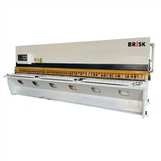
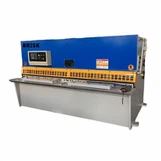
Hey there! As a supplier of hydraulic shears, I've seen firsthand how important it is to understand the environmental requirements for using these machines. In this blog post, I'll break down the key environmental factors you need to consider when operating a hydraulic shear, and how you can ensure you're using it in a way that's both efficient and eco-friendly.
Temperature and Humidity
One of the most critical environmental factors to consider when using a hydraulic shear is the temperature and humidity of the operating environment. Hydraulic systems are sensitive to temperature changes, and extreme heat or cold can affect the performance and lifespan of the machine.
In general, hydraulic shears should be operated in an environment with a temperature range of 10°C to 40°C (50°F to 104°F). If the temperature drops below this range, the hydraulic fluid can thicken, making it difficult for the machine to operate smoothly. On the other hand, if the temperature rises above this range, the hydraulic fluid can break down, leading to increased wear and tear on the machine's components.
Humidity is another important factor to consider. High humidity can cause corrosion and rust on the machine's metal parts, which can lead to premature failure. To prevent this, it's important to keep the operating environment dry and well-ventilated. If the humidity is particularly high, you may need to use a dehumidifier to reduce the moisture in the air.
Dust and Debris
Another environmental factor that can affect the performance of a hydraulic shear is the presence of dust and debris in the operating environment. Dust and debris can enter the hydraulic system and cause damage to the machine's components, such as the pump, valves, and cylinders.
To prevent dust and debris from entering the hydraulic system, it's important to keep the operating environment clean and free of clutter. You should also use a dust collector or air filter to remove any dust and debris from the air before it enters the machine. Additionally, you should regularly clean the machine's components to remove any dust and debris that may have accumulated.
Noise and Vibration
Hydraulic shears can be noisy and produce a significant amount of vibration during operation. This can not only be a nuisance to operators but can also have a negative impact on the environment.
To reduce the noise and vibration produced by the machine, you can use noise-reducing materials and vibration dampeners. You can also install the machine on a vibration-isolating platform to reduce the amount of vibration transmitted to the floor. Additionally, you should ensure that the machine is properly maintained and lubricated to reduce the amount of noise and vibration it produces.
Power Supply
The power supply is another important environmental factor to consider when using a hydraulic shear. Hydraulic shears require a stable and reliable power supply to operate properly. If the power supply is unstable or unreliable, it can cause the machine to malfunction or even damage the machine's components.
To ensure a stable and reliable power supply, you should use a dedicated circuit for the hydraulic shear. You should also ensure that the power supply is properly grounded to prevent electrical shock. Additionally, you should regularly check the power supply to ensure that it is functioning properly.


Environmental Regulations
Finally, it's important to be aware of any environmental regulations that may apply to the use of hydraulic shears. Depending on the location and type of operation, there may be specific regulations regarding the use of hydraulic shears, such as noise and air pollution regulations.
To ensure compliance with environmental regulations, you should consult with local authorities and obtain any necessary permits or approvals before using the hydraulic shear. You should also ensure that the machine is properly maintained and operated in accordance with the manufacturer's instructions to minimize the environmental impact.
Conclusion
In conclusion, understanding the environmental requirements for using a hydraulic shear is essential for ensuring the efficient and eco-friendly operation of the machine. By considering factors such as temperature, humidity, dust and debris, noise and vibration, power supply, and environmental regulations, you can ensure that your hydraulic shear is operating in a way that is both safe and sustainable.
If you're in the market for a hydraulic shear, we offer a wide range of high-quality machines, including the Hydraulic Guillotine Sheet Shearing Machine, Automatic Hydraulic Swing Beam Shearing Machine, and Aluminum Shear Cutting Machine. Our machines are designed to meet the highest standards of quality and performance, and we offer a range of customization options to meet your specific needs.
If you have any questions or would like to learn more about our hydraulic shears, please don't hesitate to contact us. We're here to help you find the right machine for your needs and ensure that you get the most out of your investment.
References
- Manufacturer's manuals for hydraulic shears
- Environmental regulations and guidelines related to industrial machinery operation