Hey there! As a supplier of NC Press Brakes, I often get asked about the energy consumption of these machines. It's a crucial topic, especially for businesses looking to manage costs and reduce their environmental footprint. So, let's dive right in and break down what you need to know about the energy consumption of an NC Press Brake.
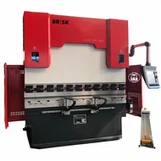
First off, what is an NC Press Brake? Well, it's a machine used for bending sheet metal. It's a key tool in the metalworking industry, allowing for precise and efficient bending operations. Our CNC Hydraulic Metal Sheet Bending Machine is a prime example of this technology in action. It combines computer numerical control (CNC) with hydraulic power to deliver accurate and repeatable bends.
Now, let's talk about energy consumption. The energy usage of an NC Press Brake depends on several factors. One of the main factors is the machine's size and capacity. Larger press brakes with higher tonnage ratings generally require more energy to operate. This is because they need more power to generate the force necessary to bend thicker and wider sheets of metal. For instance, our Hydraulic Press Brake Machine comes in various sizes and tonnages to suit different production needs, and naturally, the larger models will consume more energy.
Another factor that affects energy consumption is the type of operation. Bending thicker materials or performing complex bends will require more energy compared to simple, straight bends on thinner sheets. The frequency of bending operations also plays a role. If the press brake is running continuously for long periods, it will consume more energy than if it's used intermittently.
The hydraulic system in an NC Press Brake is a major energy consumer. Hydraulic pumps are used to generate the pressure needed to move the ram and perform the bending operation. These pumps typically run on electric motors, and the power consumption of these motors can vary depending on their size and efficiency. Modern press brakes are designed with more energy-efficient hydraulic systems to reduce power consumption. For example, some machines use variable frequency drives (VFDs) to control the speed of the hydraulic pump motor, allowing it to adjust the power output based on the actual demand. This can result in significant energy savings, especially during periods of low activity.
The control system of the NC Press Brake also consumes energy, although it's usually a relatively small amount compared to the hydraulic system. The CNC controller needs to be powered to operate the machine and store the bending programs. However, advancements in electronics have led to more energy-efficient control systems that use less power.
Let's take a look at some real-world examples to better understand the energy consumption of an NC Press Brake. Suppose you have a medium-sized press brake with a tonnage rating of around 100 tons. During normal operation, this machine might consume anywhere from 5 to 10 kilowatts of power per hour, depending on the factors we discussed earlier. If it runs for 8 hours a day, 5 days a week, the weekly energy consumption could range from 200 to 400 kilowatt-hours. Over a month, that could add up to a significant cost, especially if electricity rates are high in your area.
So, how can you reduce the energy consumption of an NC Press Brake? One way is to optimize the bending process. By using the right tooling and programming the machine to perform the bends as efficiently as possible, you can reduce the amount of energy required for each operation. For example, using a smaller punch and die set for thinner materials can reduce the force needed to make the bend, which in turn reduces energy consumption.
Another strategy is to implement energy management practices in your workshop. This could include turning off the press brake when it's not in use, even for short periods. Many modern press brakes have standby modes that consume less energy when the machine is idle. You can also consider using energy-efficient lighting and other equipment in your workshop to further reduce your overall energy consumption.
In addition to cost savings, reducing energy consumption also has environmental benefits. By using less electricity, you can lower your carbon footprint and contribute to a more sustainable future. As a supplier, we're committed to providing our customers with energy-efficient solutions. Our Hydraulic Press Bending Machine is designed with the latest technology to minimize energy usage without compromising on performance.


If you're in the market for an NC Press Brake, it's important to consider the energy consumption of the machine. Look for models that are designed with energy efficiency in mind, and don't hesitate to ask the supplier about the specific energy consumption data. We're always happy to provide detailed information about the energy performance of our machines and help you choose the right one for your needs.
In conclusion, the energy consumption of an NC Press Brake is influenced by several factors, including the machine's size, the type of operation, and the efficiency of its components. By understanding these factors and implementing energy-saving strategies, you can reduce your operating costs and make your metalworking business more sustainable.
If you're interested in learning more about our NC Press Brakes or have any questions about energy consumption, feel free to reach out to us. We're here to help you make the best decision for your business. Let's start a conversation and see how we can work together to meet your metal bending needs.
References
- General knowledge in the field of metalworking machinery and energy efficiency.
- Industry reports on the performance and energy consumption of press brakes.